
Effective DIY Tips for Insulating Your Home in the UK with PIR Boards and Loft Cavity Batts
Improving your home's insulation is one of the smartest ways to reduce energy bills and increase comfort, especially in the UK where chilly weather can last for months. If you want to take on a DIY project that makes a real difference, focusing on PIR boards and loft cavity batts is a practical choice. These materials are widely available in building supplies across Worcestershire and the rest of the UK, and they offer excellent thermal performance without complicated installation.
This guide will walk you through the key tips for using PIR boards and loft cavity batts effectively, helping you make informed decisions and get the best results from your insulation project.
Why Choose PIR Boards and Loft Cavity Batts?
When it comes to insulating your home, you want materials that provide strong thermal resistance, are easy to handle, and fit well with typical UK building structures.
PIR boards (polyisocyanurate boards) are rigid foam insulation panels known for their high thermal efficiency. They are ideal for walls, floors, and roofs where space is limited but insulation performance is critical.
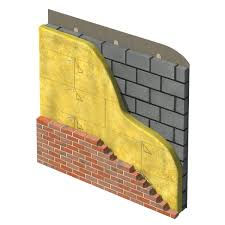
Loft cavity batts are flexible insulation rolls or slabs designed to fit snugly between joists in loft spaces and cavity walls. They are often made from mineral wool or glass wool and provide excellent soundproofing alongside thermal insulation.
Both materials are common in UK homes and can be sourced from local building materials suppliers in Worcestershire or online.
Preparing for Your DIY Insulation Project
Before you start, make sure you have the right tools and materials. Here’s a quick checklist:
PIR boards cut to size (measure your walls or floors carefully)
Loft cavity batts sized for your joist spacing
Utility knife or insulation saw for cutting
Tape measure and straight edge
Protective gloves, goggles, and mask (especially for loft batts)
Staple gun or insulation fixings
Timber or wood battens if needed for securing PIR boards
Planning your project well will save time and reduce waste of building materials.
Installing PIR Boards for Wall and Floor Insulation
PIR boards are excellent for insulating internal walls or floors where you want to add insulation without losing too much room space.
Steps for Installing PIR Boards
Measure and cut the PIR boards to fit the space between timber or wood framing.
Prepare the surface by cleaning and ensuring it is dry.
Fix the boards to the wall or floor using adhesive or mechanical fixings designed for PIR.
Seal the joints between boards with insulation tape to prevent heat loss through gaps.
If installing on walls, consider adding plasterboard over the PIR boards for a finished look.
PIR boards have a high R-value per inch, meaning you get more insulation with less thickness compared to traditional materials. This is especially useful in older UK homes where space is limited.

PIR boards fitted between timber studs provide strong insulation while saving space.
Using Loft Cavity Batts to Insulate Your Loft
The loft is one of the biggest sources of heat loss in UK homes. Installing loft cavity batts is a straightforward and cost-effective way to improve insulation.
How to Install Loft Cavity Batts
Clear the loft space of debris and check for any damp or damage.
Measure the distance between joists to buy the correct width of batts.
Lay the batts between the joists, ensuring they fit snugly without compressing the material.
Add a second layer at right angles to the first if your loft height allows, to reduce thermal bridging.
Avoid blocking ventilation gaps to prevent moisture buildup.
Use protective gear when handling batts, as fibres can irritate skin and lungs.
Loft cavity batts are flexible and easy to cut, making them ideal for DIYers. They also work well with timber joists common in UK lofts.
Tips for Choosing the Right Materials in Worcestershire and the UK
Look for PIR boards with a minimum thickness of 50mm for walls and floors to meet UK building regulations.
Choose loft cavity batts with a thermal resistance (R-value) of at least 3.5 for effective loft insulation.
Buy from reputable local suppliers in Worcestershire or trusted UK online stores to ensure quality.
Check for materials that are fire-resistant and meet UK safety standards.
Consider eco-friendly options if sustainability is important to you.
Common Mistakes to Avoid
Compressing loft batts reduces their effectiveness. Always lay them flat and avoid stepping on them.
Leaving gaps between PIR boards or batts causes cold spots. Use tape or sealants to close joints.
Ignoring ventilation in lofts can lead to damp and mould. Maintain airflow while insulating.
Using the wrong thickness or type of insulation for your specific building can waste money and effort.
Final Thoughts on DIY Insulation with PIR Boards and Loft Cavity Batts
Taking on a DIY insulation project with PIR boards and loft cavity batts can significantly improve your home's energy efficiency and comfort. These materials are well-suited to typical UK homes and can be installed with basic tools and some careful planning.
By choosing the right building materials and following practical installation tips, you can reduce heat loss, lower your energy bills, and create a warmer living space. Start by measuring your spaces accurately, sourcing quality materials from local suppliers in Worcestershire, and protecting yourself during installation.
Your next step is to gather your materials and tools, then begin insulating your loft or walls. With patience and care, your DIY project will pay off in a cozier, more energy-efficient home.
Comments